
Designing Electronics for Field Serviceability
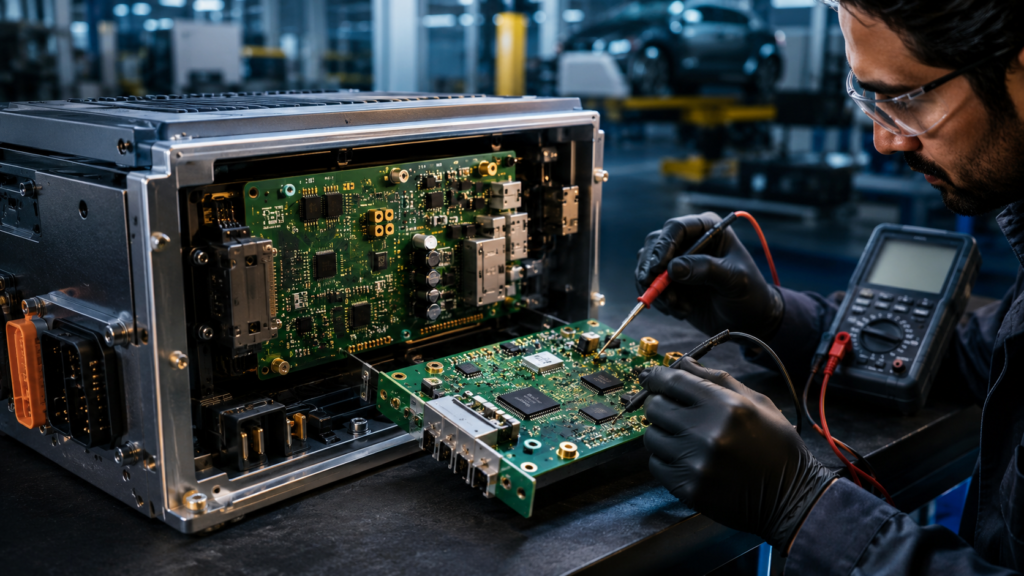
The real test of an electronic product may come years after it leaves the factory—when it fails in the field. A product can work perfectly in the laboratory and be manufactured consistently, yet still become difficult and expensive to maintain once it is deployed. For electronics used in vehicles, industrial environments, remote locations and defence applications, serviceability should be considered during engineering—not after a failure occurs. Why Serviceability Starts in Design Serviceability begins with decisions made long before production. How easily can a technician identify a failed board? Are diagnostic or test points accessible? Can a faulty module be replaced without replacing the entire assembly? Can the firmware version and board revision be identified quickly? These questions may not matter during a prototype demonstration. They matter considerably when a product is installed hundreds of kilometres away from the factory. A service-friendly design makes diagnosis and replacement part of the product architecture rather than an afterthought. What Makes Electronics Easier to Service? Consider an industrial controller that stops working at a remote customer site. Without clear diagnostics, the technician may not know whether the problem is in the power section, PCB, firmware or connected module. The safest option may appear to be removing the complete unit and sending it back to the manufacturer. A more serviceable design could provide accessible test points, clear fault information, identifiable PCB assemblies and replaceable modules. The technician can isolate the problem, replace the affected assembly and restore operation without unnecessary factory return. The difference is not simply convenience. It can mean less downtime, lower logistics costs and faster recovery. The same principle applies to EV electronics, Industrial IoT equipment, surveillance systems and defence electronics, where equipment may be deployed in environments where immediate factory support is not practical. The Cost of Poor Serviceability Poor serviceability often creates costs that are invisible during product development. When fault diagnosis is difficult, service teams may replace complete units rather than individual assemblies. Warranty returns increase. Engineers spend more time investigating field failures. Replacement logistics become more complicated. Over time, these costs can outweigh the small additional effort required during the original design phase. Serviceability therefore belongs alongside manufacturability, reliability and testability when evaluating an electronic product. Field Failures Should Improve the Next Revision Serviceability is also about learning from what happens after deployment. When a failed board can be identified through serialisation, revision history, firmware records and manufacturing traceability, engineers have better information for investigating the problem. That creates a useful feedback loop: Design → Manufacturing → Testing → Field Deployment → Failure Analysis → Design Improvement Instead of treating a field failure as an isolated event, it becomes input for the next product revision. The Chipmates Perspective At Chipmates, we see electronics manufacturing as part of a wider product lifecycle. For high-reliability electronics, testability, diagnostics, traceability, modularity and controlled revisions should work together to make products easier to understand and maintain after they leave the factory. An EMS partner should think beyond the production line and consider what happens when the board is in the field, under real operating conditions. Good electronics design does not stop at making the product work. It considers how that product will be diagnosed, repaired and supported when it matters most.
Manufacturing Data as a Strategic Asset
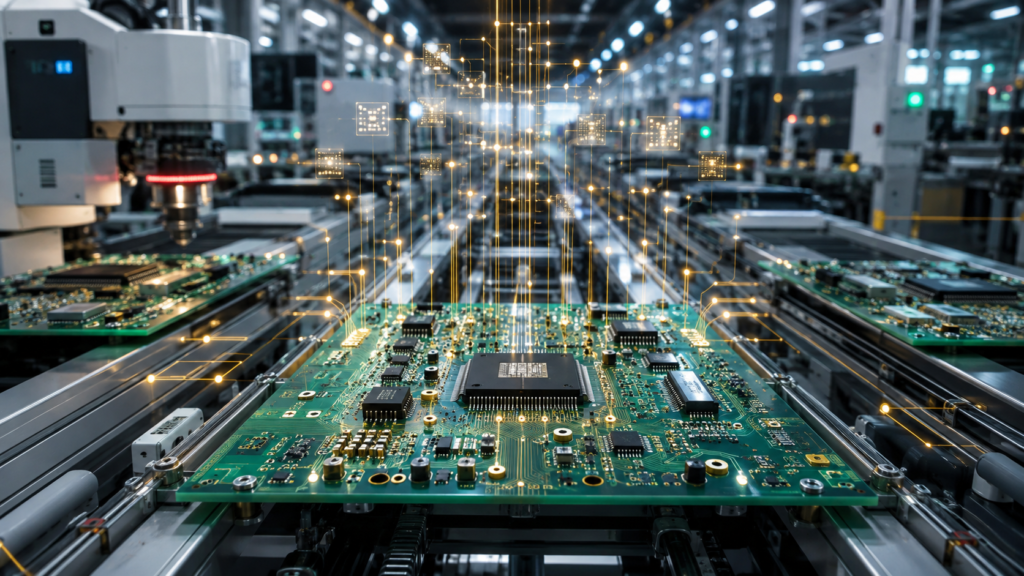
Every PCB leaving a modern factory carries more information than the finished board itself. It carries a history: which components were used, which production lot they came from, which firmware was loaded, how the board was tested, whether it was reworked and which engineering revision it followed. Yet manufacturing data is often treated as paperwork rather than an engineering asset. That needs to change. What Does Manufacturing Data Really Tell Us? Electronics manufacturing generates information at almost every stage of production. Serial numbers connect a finished product to its manufacturing history. Component and lot traceability show where critical parts came from. BOM and revision records establish exactly what version was built. Testing and inspection records add another layer, while firmware and programming records show what was actually loaded onto the product. Together, these records create something more valuable than a quality report: a digital production history for every product. From Traceability to Intelligence Traceability becomes strategically useful when it helps answer questions quickly. Consider an OEM facing repeated field failures. Without detailed manufacturing records, engineers may have to investigate failed units individually, looking for patterns after the fact. With production traceability, the investigation can go much further. Were the failures concentrated around a particular component lot? Did they begin after a BOM revision? Were affected units produced during a specific period? Was a particular firmware version involved? Did a supplier or process change coincide with the failures? The answers may already exist in the manufacturing data. This is where traceability moves beyond compliance. It becomes a tool for root-cause analysis, engineering decisions and risk management. Why Manufacturing Data Matters Beyond the Factory Manufacturing data should not remain isolated within the production team. It can support engineering change management, supplier evaluation, quality improvement and product lifecycle decisions. When manufacturing records are connected with field performance, warranty information and engineering revisions, companies gain a clearer view of how products behave beyond the factory. This is particularly important for EV electronics, Industrial IoT systems and defence products, where reliability and product continuity matter over an extended period. A production record can also become valuable months or years later when a component is changed, a firmware revision is introduced or a customer reports a field issue. Good data preserves context. The Foundation Is Discipline, Not Technology Building useful manufacturing intelligence does not begin with an expensive AI platform. It begins with disciplined processes: accurate serialisation, controlled revisions, reliable test records, clear component traceability, documented rework and protected production data. The value comes from making sure the information is accurate, consistent and connected. Without that foundation, more data simply creates more noise. The Chipmates Perspective At Chipmates, we see manufacturing data as part of the product lifecycle—not simply as a factory record. For high-reliability electronics, traceability, production-data integrity, revision control and test history should support the connection between design engineering, NPI, manufacturing and quality. The objective is straightforward: A PCB should leave the factory with more than a manufacturing pass. It should leave with a trustworthy production history. The factory should not only make the product. It should create the information needed to understand, trust and improve that product.
Defying the Red Sea: Building Supply Chain “Anti-Fragility” through Indian Component Localization

A container ship veers sharply away from the Bab-el-Mandeb strait, detouring 4,000 miles around the Cape of Good Hope. Inside are sub-miniature capacitors destined for an EV assembly line in Chennai. By the time it arrives at port, a predictable 14-day transit has mutated into a 45-day logistical nightmare. For Indian hardware founders, this is definitive proof that globalized sourcing has hit an impassable wall. The Collapse of Choke-Point Logistics In 2026, distance has returned with a vengeance. Volatility in the Red Sea and the Strait of Hormuz has transformed maritime choke points into daily operational taxes. When your Bill of Materials (BOM) relies on trans-continental relays through volatile waterways, your business is a hostage to geopolitics. The “China Plus One” strategy was supposed to be the cure. However, moving assembly to India while still importing 90% of your components merely shifts the bottleneck further downstream. Resilience is a Trap; Anti-Fragility is the Goal Most procurement teams try to survive these shocks through “resilience”—hoarding six months of safety stock. But hoarding traps precious working capital in dead inventory. In a high-interest-rate environment, this is a slow financial drain. The true strategic alternative is Anti-Fragility. Coined by Nassim Taleb, anti-fragility describes systems that grow stronger under stress. In electronics manufacturing, this means Deep Localization. If a component is manufactured just kilometers away from the SMT line, maritime conflict and currency volatility cease to matter. Your supply chain thrives while competitors are stuck in transit. The Chennai Corridor Advantage This is where the Redhills/Sriperumbudur corridor becomes India’s critical buffer zone. Chipmates’ new Greenfield facility was designed specifically for the agile, localized mandates of 2026. In the High-Mix, Medium-Volume (HMLV) sector—where EV motor controllers and defense-grade sensors are the lifeblood—local sourcing is the ultimate competitive advantage. We have built an integrated network of domestic Tier-2 and Tier-3 suppliers capable of delivering components to our floor in hours, not months. Engineering the BOM for ECMS Leverage At Chipmates, we do more than just “build to print.” We offer active BOM Re-engineering to leverage India’s ₹40,000 Crore Electronic Components Manufacturing Scheme (ECMS). Our engineering team audits your imported BOMs to identify localized, high-quality alternatives that qualify for these state incentives. By re-engineering for localization, we deliver: Achieving Technological Sovereignty Geopolitical disruption is a permanent feature of our multi-polar world. In this environment, partnering with an HMLV specialist like Chipmates is a vital strategic hedge. Localizing your component footprint in Chennai ensures your production line never stops—no matter what happens abroad. Stop waiting for components to clear a war zone. Start building them at home.
The HMLV Advantage: Why “Mega-Factories” are Failing India’s Deep-Tech Startups
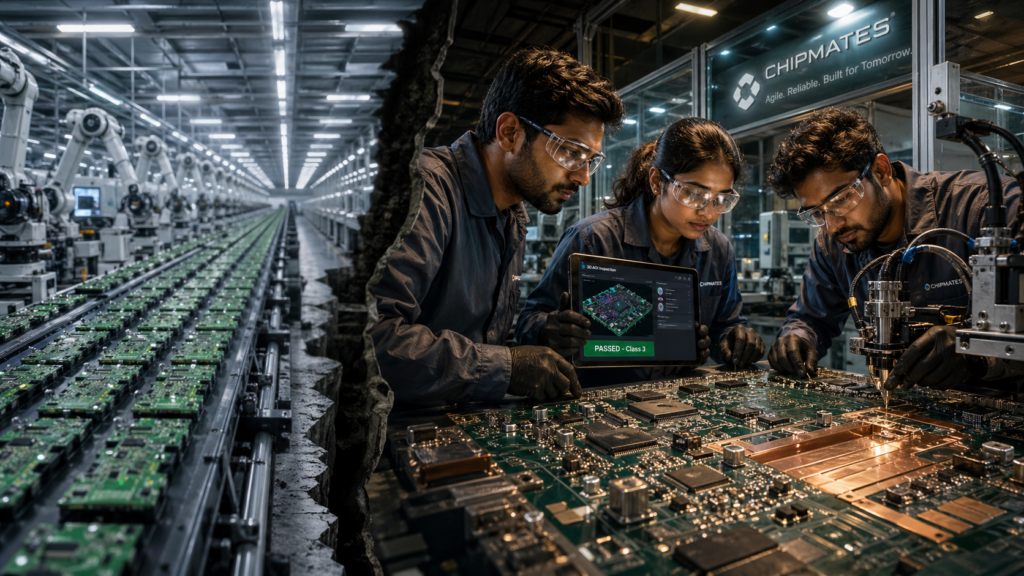
It’s 11:00 PM on a Tuesday. A CTO at an EV startup in Bengaluru or a Defense-tech lab in Hyderabad is staring at an empty inbox. They’ve spent six months perfecting a complex Battery Management System (BMS) or a ruggedized flight controller. The design is revolutionary. The initial order? 2,000 units. The response from the “Mega-Factories” of the world? Silence. Or worse, a quote so bloated with “setup fees” and “minimum order quantities” (MOQs) that it effectively functions as a polite “go away.” This is the dirty secret of India’s electronics boom. While headlines celebrate the “Millions of Units” produced by giants like Foxconn or Dixon, a massive rift has opened in the ecosystem. We are building a manufacturing landscape designed for oil tankers—massive, powerful, and capable of moving in exactly one direction—while our deep-tech innovators are piloting speedboats that need to pivot on a dime. If you are building the future of Indian hardware, you don’t need a mega-factory. You need an HMLV specialist. You need a partner that speaks the language of high-complexity, not just high-volume. The Scale Paradox: When “Bigger” Means “Slower” India’s current policy push, from PLI 2.0 to the various semiconductor missions, is obsessed with scale. And for consumer electronics—smartphones, chargers, basic wearables—scale is the only metric that matters. But for deep-tech, scale is a paradox. Deep-tech hardware—think motor controllers for high-performance EVs, satellite sub-systems, or AI-enabled surveillance—is inherently “High-Mix, Medium-Volume” (HMLV). These products require constant iteration. You might need five versions of a PCBA before the first 5,000 units ever hit the market. To a mega-factory, a design change is an enemy. Their business model relies on keeping a line running the same board for six months straight. When a startup asks for a design tweak after the first 500 units, they aren’t just asking for a technical change; they are disrupting a multi-billion-rupee machine optimized for inertia. In the world of mass production, innovation is a bottleneck. The Agility Gap: Solving the “Changeover” Math At the heart of this failure is a simple engineering metric: Changeover Time. In a traditional mega-factory, resetting an SMT (Surface Mount Technology) line for a new product can take a full shift—sometimes longer. If that line is intended to run for 30 days straight, a 12-hour setup is a rounding error. But if your total production run only lasts 48 hours, that setup time makes the project economically impossible. This is where Chipmates draws a line in the sand. Located in the heart of the Redhills/Sriperumbudur corridor, our facility was engineered as a Greenfield site specifically to bridge this agility gap. We operate four high-speed, high-precision SMT lines designed for rapid deployment. Our engineering teams are measured on how quickly they can move from NPI (New Product Introduction) to stable production, not just how many millions of components they can “pop” in a day. When we talk about 01005 component placement or complex multi-layer boards, we aren’t just boasting about our machinery. We are talking about the ability to handle the extreme miniaturization required by IIoT and Defense sectors without sacrificing the speed of iteration. Reliability is Not a Checkbox There is a fundamental difference between a smartphone and a Defense-grade flight computer. If a smartphone board fails, a customer is annoyed. If a BMS fails in an EV at 80km/h, or a motor controller fails in a tactical drone, the consequences are catastrophic. The mega-factories chasing consumer margins often treat quality as a “Pass/Fail” checkbox at the end of the line. For deep-tech, reliability must be baked into the DfM (Design for Manufacturing) phase. At Chipmates, we operate under IPC Class 3 standards—the highest tier of electronics manufacturing reliability. This involves rigorous AOI (Automated Optical Inspection) and X-Ray inspection to ensure that hidden solder joints under BGA components are flawless. In the Defense and Medical sectors, “close enough” is a death sentence. We provide the “Special Ops” level of manufacturing where every board is treated as mission-critical hardware, not a commodity. The “Joint-ODM” Perspective: We’ve Been in Your Shoes Most EMS providers are purely “Build-to-Print.” You give them a file; they give you a board. If the board doesn’t work, they blame your design. We find that approach lazy. Chipmates is evolving into a Joint-ODM. We develop our own proprietary, AI-enabled CCTV and DVR hardware. This means when we look at your BOM (Bill of Materials), we aren’t just looking at part numbers. We are looking for “Flash Shortages,” thermal risks, and component end-of-life issues. We’ve felt the pain of a “design-to-deploy” cycle ourselves. When you partner with us, you aren’t just renting line time; you are accessing a collective intelligence that understands how to optimize a PCBA for the harsh electrical and thermal environments of India. Why the Chennai Corridor is the New Silicon Valley Geography matters. The Redhills/Sriperumbudur corridor isn’t just a manufacturing hub; it’s an ecosystem. By being positioned here, Chipmates offers deep-tech startups something a distant “mega-site” cannot: Engineering Proximity. During the NPI phase, your engineers need to be on the floor. They need to see the first boards coming off the reflow oven. They need to sit with our DfM experts to shave 10% off the assembly cost by repositioning a single connector. This “physical feedback loop” is what accelerates runways and wins markets. Stop Begging for Line Time The era of the “Mega-Factory” as the only path to hardware success is over. If you are building high-complexity hardware that requires IPC Class 3 reliability and HMLV agility, stop waiting for the giants to notice you. You deserve a partner that views your 2,000-unit “innovation” with the same gravity as a 2-million-unit commodity. You need a facility that was built from the ground up to be the “brain” of Indian manufacturing, not just the hands. The future of Indian hardware isn’t being built on the massive, inflexible lines of yesterday. It’s being built, component by precision component, at Chipmates. Let’s build the future. One high-precision board at a time.
Why Most Electronics Startups Lose Money in Manufacturing — And How to Fix It
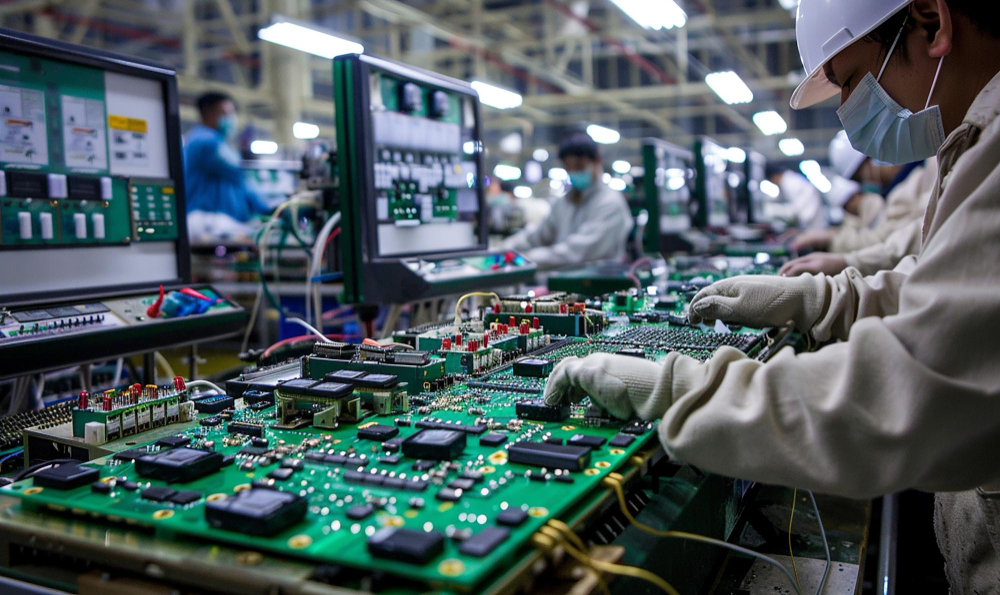
Why Most Electronics Startups Lose Money in Manufacturing — And How to Fix It A working prototype is the biggest lie in hardware. Just because your board works flawlessly on a lab bench doesn’t mean you have a scalable product. It usually just means you have a proof of concept that is about to bleed cash on a factory floor. The industry rarely talks about the “Valley of Death” between raw engineering and mass production. But as operators running high-speed SMT lines, we see it every day. If your startup is struggling with hardware manufacturing cost optimization, the problem usually isn’t the cost of the components. The problem is how you are interacting with the manufacturing floor. The Broken Promises of the EMS Ecosystem Today’s hardware founders are stuck between two frustrating extremes. First, you have slick digital manufacturing platforms promising a seamless, Amazon-like checkout for your PCB assembly. They look great on a dashboard, but they often lack the deep, gritty industrial reliability needed for complex, high-mix boards. Second, you have legacy “job-work” EMS vendors. These traditional factories don’t care about your unit economics or your market launch. They just want you to hand over the Gerber files so they can stuff the boards and bill you for machine time. Neither model actually engineers the friction out of your product’s lifecycle. The Ground Reality: Where Your Margins Actually Die Founders obsess over shaving pennies off a microcontroller, completely ignoring the thousands of rupees they are losing in execution gaps. Here is where the real BOM cost leakages and timeline delays happen: The Sourcing Chokehold: You single-source a proprietary IC with a 40-week lead time. When it goes out of stock, your entire ₹20 Crore production run halts. A smart EMS should have scrubbed your BOM on Day 1 to secure form-fit-function alternatives. The Thermal Shadowing Trap: Your design engineers placed heavy, heat-absorbing inductors right next to tiny 0201 micro-capacitors. In the reflow oven, those capacitors won’t heat properly, causing cold solder joints and massive SMT assembly yield drops. The Manual Rework Nightmare: If your vendor doesn’t use 3D SPI (Solder Paste Inspection) to catch a printing defect early, it costs ₹5 to wipe the board clean. If they catch it after reflow, you are paying ₹500 for highly skilled manual rework. Panelization Penalties: Designing boards with non-standard panelization slows down the pick-and-place mounters. Machine efficiency tanks, and you end up paying the penalty in inflated assembly conversion costs. How to Fix It: What Good Manufacturing Looks Like You don’t need a vendor to rent you machine time. You need an execution partner. To stop losing money, you must completely rethink how you hand over your product. 1. Shift Left on DFM (Design for Manufacturing) Never freeze your Gerber files without having an operator review them. A rigorous DFM check will catch thermal issues and test-point accessibility problems before the SMT stencils are even cut. 2. Demand Agile NPI (New Product Introduction) Do not jump straight from a prototype to a 10,000-unit mass production run. Run a dedicated NPI for hardware startups to dial in the machine nozzles, thermal profiles, and AOI camera algorithms. 3. Move to Full Turnkey Execution Stop buying your own components. Transition to Turnkey PCBA. Let your manufacturing partner own the procurement. If they own the BOM, they own the obsolescence headaches and the inventory holding costs. The Chipmates Execution Platform At Chipmates, we built our factory floors to solve this exact disconnect. We don’t just print boards; we operate with an engineering-first mindset that bridges the gap between raw hardware design and flawless mass production. We act as an IP-secure, fully transparent extension of your team. By combining rigorous NPI protocols with world-class Turnkey execution, we catch the leakages before they ever hit the SMT line. Stop letting hidden friction destroy your margins and delay your launch. Let’s build things that matter, and let’s build them right the first time. Are you ready to stop bleeding cash on the shop floor? Reach out to the Chipmates engineering team today for a brutal, no-nonsense DFM and BOM audit. Contact Our Engineering Team Today Learn more About our Turnkey Capabilities info@chipmates.in sales@chipmates.in
Why India Is Becoming the Next Global Hub for Electronics Manufacturing (And Why Most Startups Will Still Bleed Cash Here)
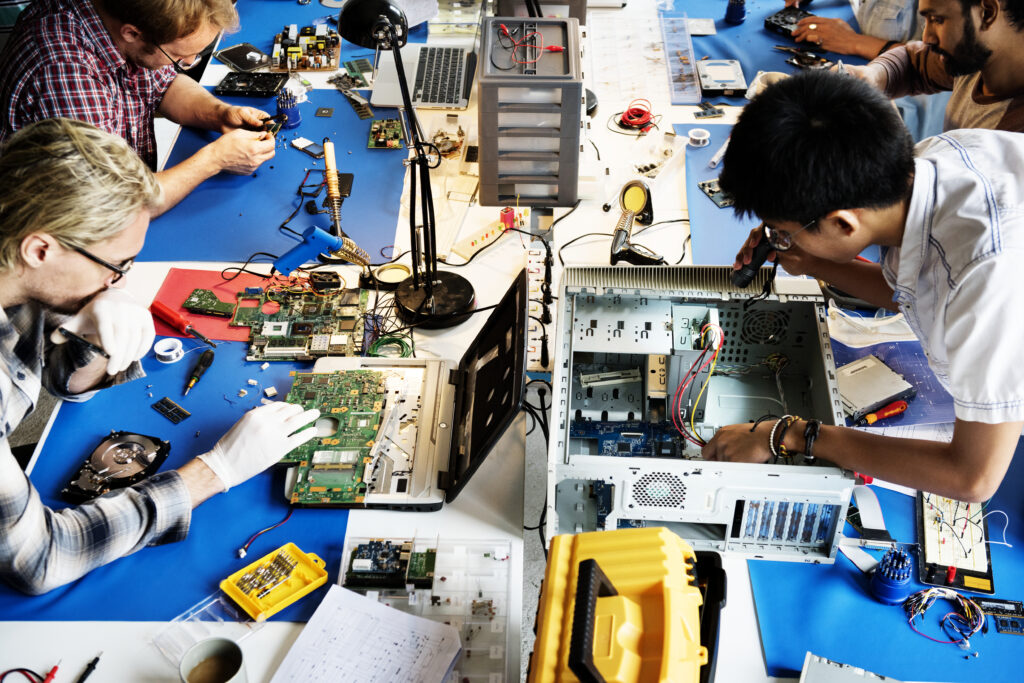
Why India Is Becoming the Next Global Hub for Electronics Manufacturing (And Why Most Startups Will Still Bleed Cash Here) Everyone says India is the next global electronics manufacturing hub. They point to massive government PLI schemes, the China+1 exodus, and a booming domestic market. But as an operator running high-speed SMT lines, let me tell you the brutal truth: Moving your supply chain to Chennai or Pune won’t save your hardware startup if you are still treating your factory like a dumb assembly line. The geography has changed, but the friction hasn’t. Here is why the Indian EMS ecosystem is broken, and what OEMs must do to actually survive the transition. The Gap Between “Digital Dreams” and Shop-Floor Reality The current manufacturing landscape in India is caught between two deeply flawed models. On one side, you have legacy “job-work” EMS companies. They bought a ₹20 Crore SMT line and think that makes them a tech company. They don’t care about your unit economics; they just want your Gerber files so they can bill you for component placements. On the other side, you have slick digital manufacturing platforms. They give you a beautiful online dashboard that promises a seamless, Amazon-like checkout for your PCBA. But when it comes to the gritty, industrial reality of building a complex EV motor controller, a dashboard cannot fix a thermal shadowing issue in a reflow oven. The Ground Reality: Where Your Margins Actually Die in India India has the infrastructure, but OEMs are still hemorrhaging cash because they are managing execution gaps instead of building products. Here is where the real cost leakages happen on the factory floor: The Sourcing Chokehold: India is a hub, but we still import heavy volumes of active components. If your EMS isn’t doing proactive BOM cost optimization and securing form-fit-function alternatives on Day 1, a single obsolete IC will halt your entire ₹50 Crore production run. The “Cheap Assembly” Trap: Founders cheer when they negotiate a rock-bottom assembly rate with a legacy vendor. Then they lose thousands of rupees when poor DFM (Design for Manufacturing) causes massive tombstoning on 0201 micro-capacitors, tanking their SMT line yields. The Manual Rework Nightmare: Legacy factories routinely skip 3D Solder Paste Inspection (SPI) to speed up lines. Catching a paste error early costs ₹5. Catching a cold solder joint after the reflow oven requires ₹500 of highly skilled manual rework—and destroys your product’s field reliability. What True Manufacturing in 2026 Looks Like India will only dominate the global supply chain when OEMs stop buying “machine time” and start buying “execution.” To scale successfully here, you cannot afford to separate raw engineering from mass production. You need Turnkey PCBA where your partner takes absolute ownership of the procurement, the obsolescence headaches, and the final box-build. You also need agile New Product Introduction (NPI). Do not jump straight from a lab prototype to a 10,000-unit run. Dial in the machine nozzles, test the thermal profiles, and catch the flaws before the stencils are even cut. The Chipmates Execution Platform At Chipmates, we built our factory floors to solve this exact disconnect. We know that true electronics manufacturing isn’t just about importing fast machines; it is about engineering the friction out of the entire hardware lifecycle. We act as an IP-secure, fully transparent extension of your team. By combining rigorous NPI protocols, Joint-ODM capabilities, and world-class Turnkey execution, we catch the leakages before they ever hit the SMT line. India is the future of hardware. But only if you build it right the first time. Are you ready to stop bleeding cash on the shop floor? Reach out to the Chipmates engineering team today for a brutal, no-nonsense DFM and BOM audit. Contact Our Engineering Team Today Learn more About our Turnkey Capabilities info@chipmates.in sales@chipmates.in
The China+1 Reality Check: Why Indian EMS Must Move from ‘Job Work’ to ‘Co-Creation’

The China+1 Reality Check: Why Indian EMS Must Move from ‘Job Work’ to ‘Co-Creation’ Let’s address the elephant in the room. The “China+1” narrative in India is built on a dangerous delusion. Setting up a ₹20 Crore SMT line doesn’t make you an electronics hub; it just makes you an expensive printer. If the Indian EMS sector doesn’t evolve past treating hardware like cheap “job work,” OEMs are going to bleed cash. The Problem Breakdown: Why “Job Work” is Dead in 2026 For the last decade, the Indian EMS model was simple: give us a Gerber file, send us a box of components, and we will stuff the boards. That is a race to the bottom. Today, hardware is exponentially more complex. Whether you are building an EV motor controller or a defense-grade drone, treating manufacturing as a siloed, end-of-the-line activity is a recipe for disaster. “Job work” factories don’t care about your product’s success. They care about machine uptime and charging you for the “clicks.” If your design is flawed, they will happily build 10,000 flawed units and hand you the bill. The Ground Reality: Where OEMs Are Hemorrhaging Cash Let me tell you what actually happens on the shop floor when raw engineering meets dumb manufacturing. The BOM Trap: A brilliant IoT startup brought us a design relying on a single-source microcontroller with a 40-week lead time. A standard EMS would have just delayed production. We scrubbed the BOM on day one and engineered a pin-to-pin alternative. The Yield Drop Illusion: Founders often fight to shave ₹5 off the assembly cost. But they ignore the fact that poor thermal profiling in the reflow oven causes tombstoning and cold solder joints, wiping out their margins. The Manual Rework Nightmare: If your EMS catches a paste defect early via 3D SPI, it costs ₹5 to fix. If they wait until post-reflow AOI, you pay ₹500 for skilled manual rework. If it hits the field, your brand is dead. Supplier Dependencies: Managing 200 fragmented vendors for a single product isn’t agile; it is a supply chain chokehold waiting to happen. The 2026 Mandate: From Assembly to Co-Creation The future of hardware scaling doesn’t belong to factories. It belongs to ecosystems and execution platforms. OEMs and startup founders don’t need a vendor to blindly place components. You need a strategic ally. You need Joint-ODM (Original Design Manufacturing). You need a partner with the engineering brainpower to optimize your Design for Manufacturing (DFM) before the stencil is cut, without the constant fear that they are going to steal your IP and launch a competing brand. What to Look for in a True Manufacturing Partner If you are evaluating an EMS this year, stop looking at the brand of their mounters. Look at their mindset. Demand these three things: Full Turnkey Ownership: They must take absolute responsibility for global procurement, component obsolescence, and final box-build. IP-Secure Joint-ODM: They should act as your “Intel Inside,” offering elite co-design and engineering services while fiercely protecting your intellectual property. Zero-Defect Infrastructure: Look for deep MES integration, 3D X-Ray testing, and full component-level traceability. The Chipmates Execution Platform At Chipmates, we are operators first. We know that true manufacturing is about engineering the friction out of the entire hardware lifecycle. We bridge the gap between brilliant lab prototypes and high-yield, mass-manufactured realities. We are not just your EMS; we are your IP-secure, Turnkey execution platform. Stop bleeding margin on the shop floor. Let’s build things that matter. Let’s build things that last. Ready to stop guessing? Contact the Chipmates Engineering Team for a comprehensive DFM and BOM audit today. Contact Our Engineering Team Today Learn more About our Turnkey Capabilities info@chipmates.in sales@chipmates.in