
Designing Electronics for Field Serviceability
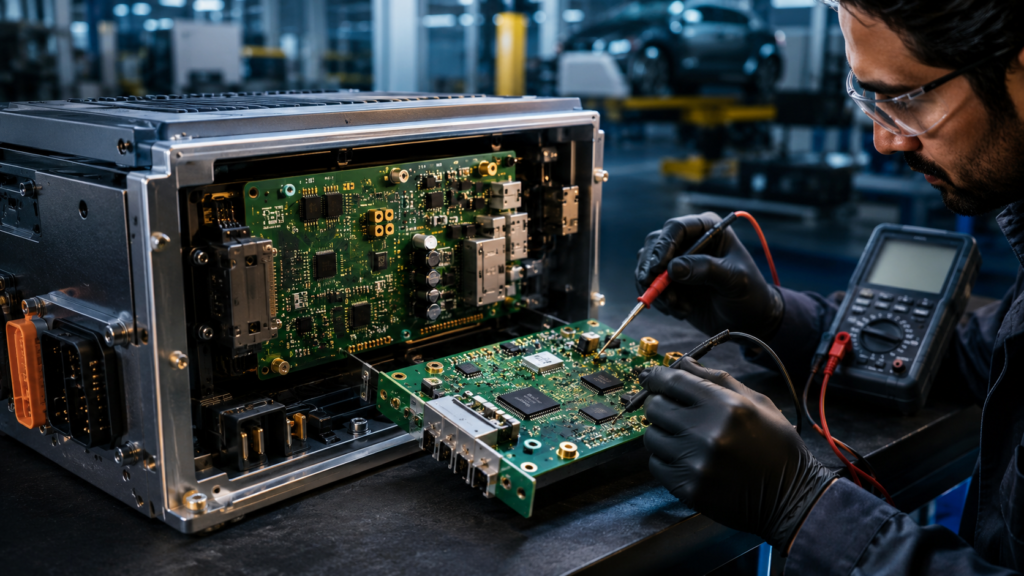
The real test of an electronic product may come years after it leaves the factory—when it fails in the field. A product can work perfectly in the laboratory and be manufactured consistently, yet still become difficult and expensive to maintain once it is deployed. For electronics used in vehicles, industrial environments, remote locations and defence applications, serviceability should be considered during engineering—not after a failure occurs. Why Serviceability Starts in Design Serviceability begins with decisions made long before production. How easily can a technician identify a failed board? Are diagnostic or test points accessible? Can a faulty module be replaced without replacing the entire assembly? Can the firmware version and board revision be identified quickly? These questions may not matter during a prototype demonstration. They matter considerably when a product is installed hundreds of kilometres away from the factory. A service-friendly design makes diagnosis and replacement part of the product architecture rather than an afterthought. What Makes Electronics Easier to Service? Consider an industrial controller that stops working at a remote customer site. Without clear diagnostics, the technician may not know whether the problem is in the power section, PCB, firmware or connected module. The safest option may appear to be removing the complete unit and sending it back to the manufacturer. A more serviceable design could provide accessible test points, clear fault information, identifiable PCB assemblies and replaceable modules. The technician can isolate the problem, replace the affected assembly and restore operation without unnecessary factory return. The difference is not simply convenience. It can mean less downtime, lower logistics costs and faster recovery. The same principle applies to EV electronics, Industrial IoT equipment, surveillance systems and defence electronics, where equipment may be deployed in environments where immediate factory support is not practical. The Cost of Poor Serviceability Poor serviceability often creates costs that are invisible during product development. When fault diagnosis is difficult, service teams may replace complete units rather than individual assemblies. Warranty returns increase. Engineers spend more time investigating field failures. Replacement logistics become more complicated. Over time, these costs can outweigh the small additional effort required during the original design phase. Serviceability therefore belongs alongside manufacturability, reliability and testability when evaluating an electronic product. Field Failures Should Improve the Next Revision Serviceability is also about learning from what happens after deployment. When a failed board can be identified through serialisation, revision history, firmware records and manufacturing traceability, engineers have better information for investigating the problem. That creates a useful feedback loop: Design → Manufacturing → Testing → Field Deployment → Failure Analysis → Design Improvement Instead of treating a field failure as an isolated event, it becomes input for the next product revision. The Chipmates Perspective At Chipmates, we see electronics manufacturing as part of a wider product lifecycle. For high-reliability electronics, testability, diagnostics, traceability, modularity and controlled revisions should work together to make products easier to understand and maintain after they leave the factory. An EMS partner should think beyond the production line and consider what happens when the board is in the field, under real operating conditions. Good electronics design does not stop at making the product work. It considers how that product will be diagnosed, repaired and supported when it matters most.
Manufacturing Data as a Strategic Asset
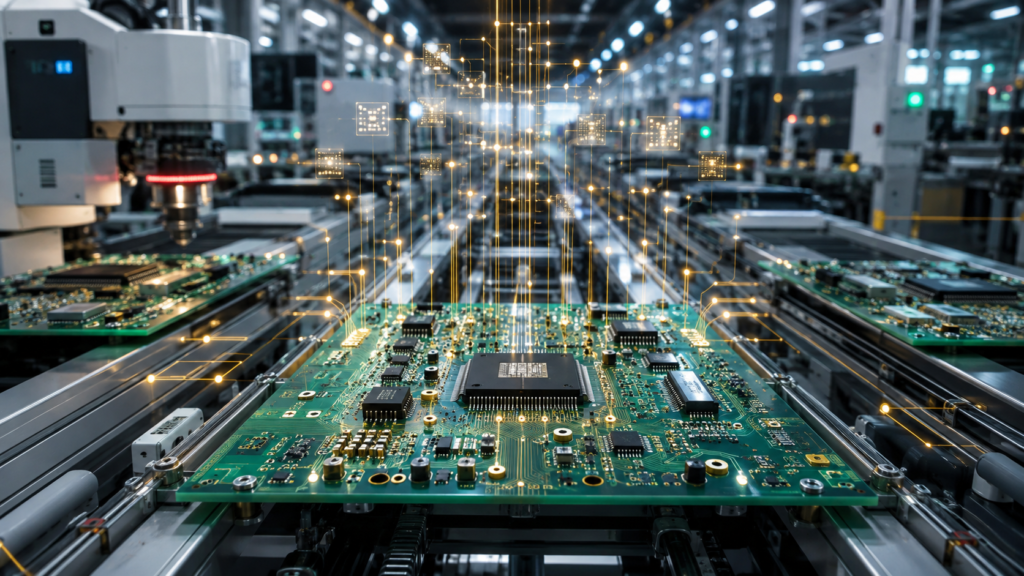
Every PCB leaving a modern factory carries more information than the finished board itself. It carries a history: which components were used, which production lot they came from, which firmware was loaded, how the board was tested, whether it was reworked and which engineering revision it followed. Yet manufacturing data is often treated as paperwork rather than an engineering asset. That needs to change. What Does Manufacturing Data Really Tell Us? Electronics manufacturing generates information at almost every stage of production. Serial numbers connect a finished product to its manufacturing history. Component and lot traceability show where critical parts came from. BOM and revision records establish exactly what version was built. Testing and inspection records add another layer, while firmware and programming records show what was actually loaded onto the product. Together, these records create something more valuable than a quality report: a digital production history for every product. From Traceability to Intelligence Traceability becomes strategically useful when it helps answer questions quickly. Consider an OEM facing repeated field failures. Without detailed manufacturing records, engineers may have to investigate failed units individually, looking for patterns after the fact. With production traceability, the investigation can go much further. Were the failures concentrated around a particular component lot? Did they begin after a BOM revision? Were affected units produced during a specific period? Was a particular firmware version involved? Did a supplier or process change coincide with the failures? The answers may already exist in the manufacturing data. This is where traceability moves beyond compliance. It becomes a tool for root-cause analysis, engineering decisions and risk management. Why Manufacturing Data Matters Beyond the Factory Manufacturing data should not remain isolated within the production team. It can support engineering change management, supplier evaluation, quality improvement and product lifecycle decisions. When manufacturing records are connected with field performance, warranty information and engineering revisions, companies gain a clearer view of how products behave beyond the factory. This is particularly important for EV electronics, Industrial IoT systems and defence products, where reliability and product continuity matter over an extended period. A production record can also become valuable months or years later when a component is changed, a firmware revision is introduced or a customer reports a field issue. Good data preserves context. The Foundation Is Discipline, Not Technology Building useful manufacturing intelligence does not begin with an expensive AI platform. It begins with disciplined processes: accurate serialisation, controlled revisions, reliable test records, clear component traceability, documented rework and protected production data. The value comes from making sure the information is accurate, consistent and connected. Without that foundation, more data simply creates more noise. The Chipmates Perspective At Chipmates, we see manufacturing data as part of the product lifecycle—not simply as a factory record. For high-reliability electronics, traceability, production-data integrity, revision control and test history should support the connection between design engineering, NPI, manufacturing and quality. The objective is straightforward: A PCB should leave the factory with more than a manufacturing pass. It should leave with a trustworthy production history. The factory should not only make the product. It should create the information needed to understand, trust and improve that product.